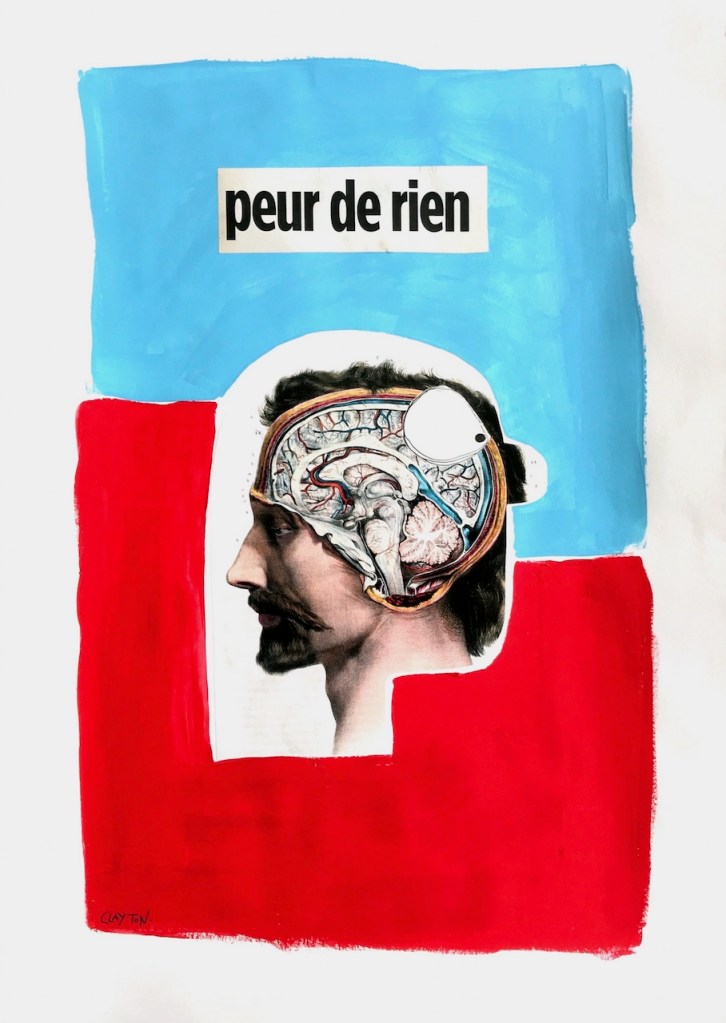
“An invitation to pause and see differently”
Clayton, once a military fort at the heart of the Panama Canal Zone, symbolizes a transition as profound as it is necessary. Formerly dedicated to defense, military training, and territorial control, this site embodied power, authority, and at times repression — a stage where the geopolitical struggles of a continent played out. Later, the fort became the home of the Ciudad del Saber — the “City of Knowledge” — marking a radical transformation: the passage from a place of dominance and authority to a hub of dialogue, research, and international solidarity.
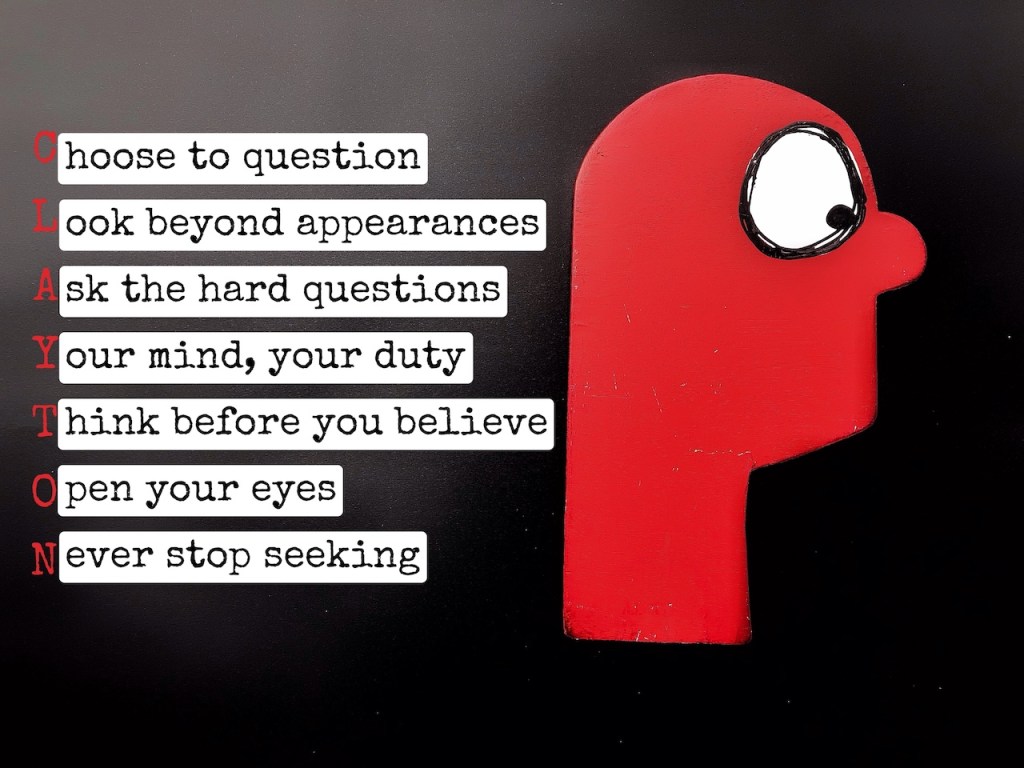
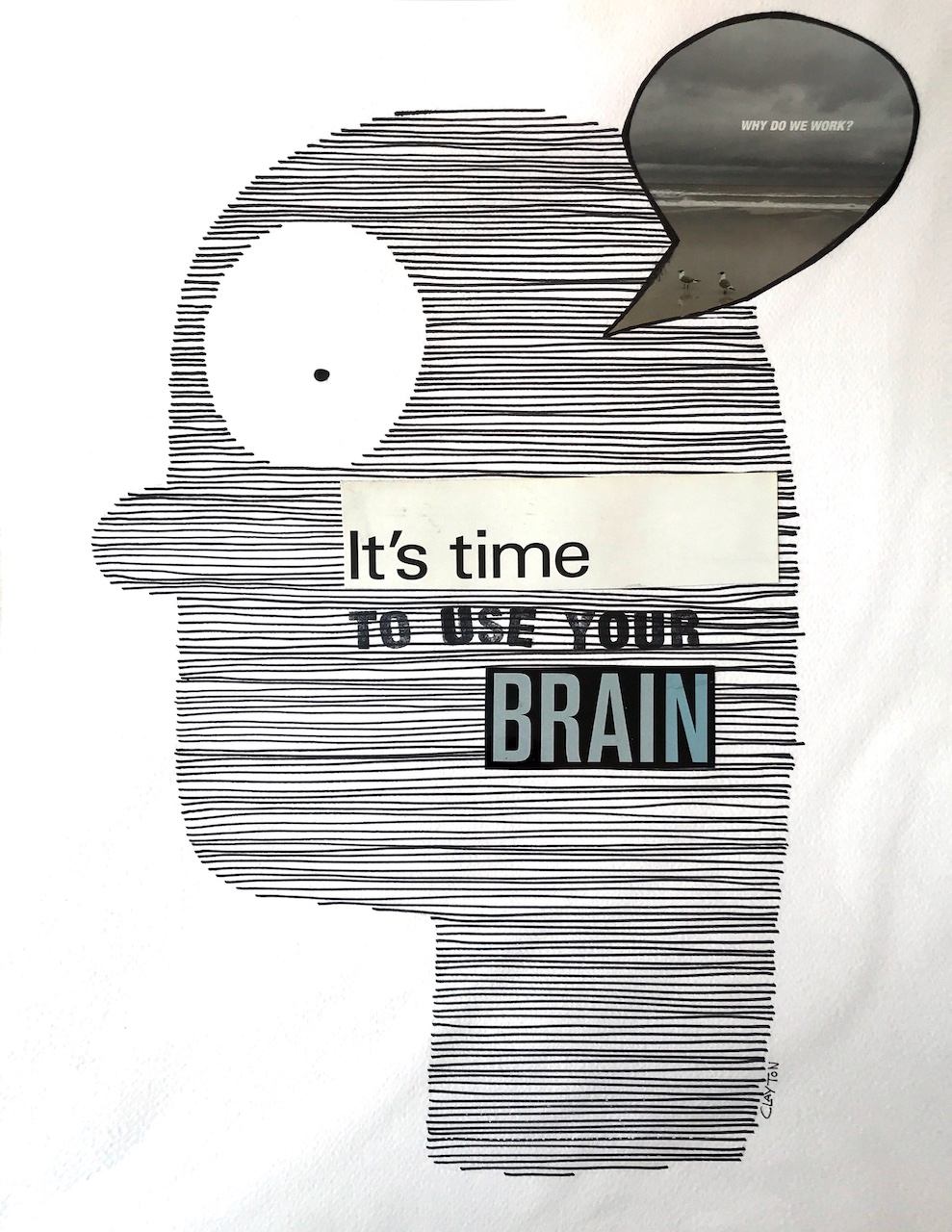
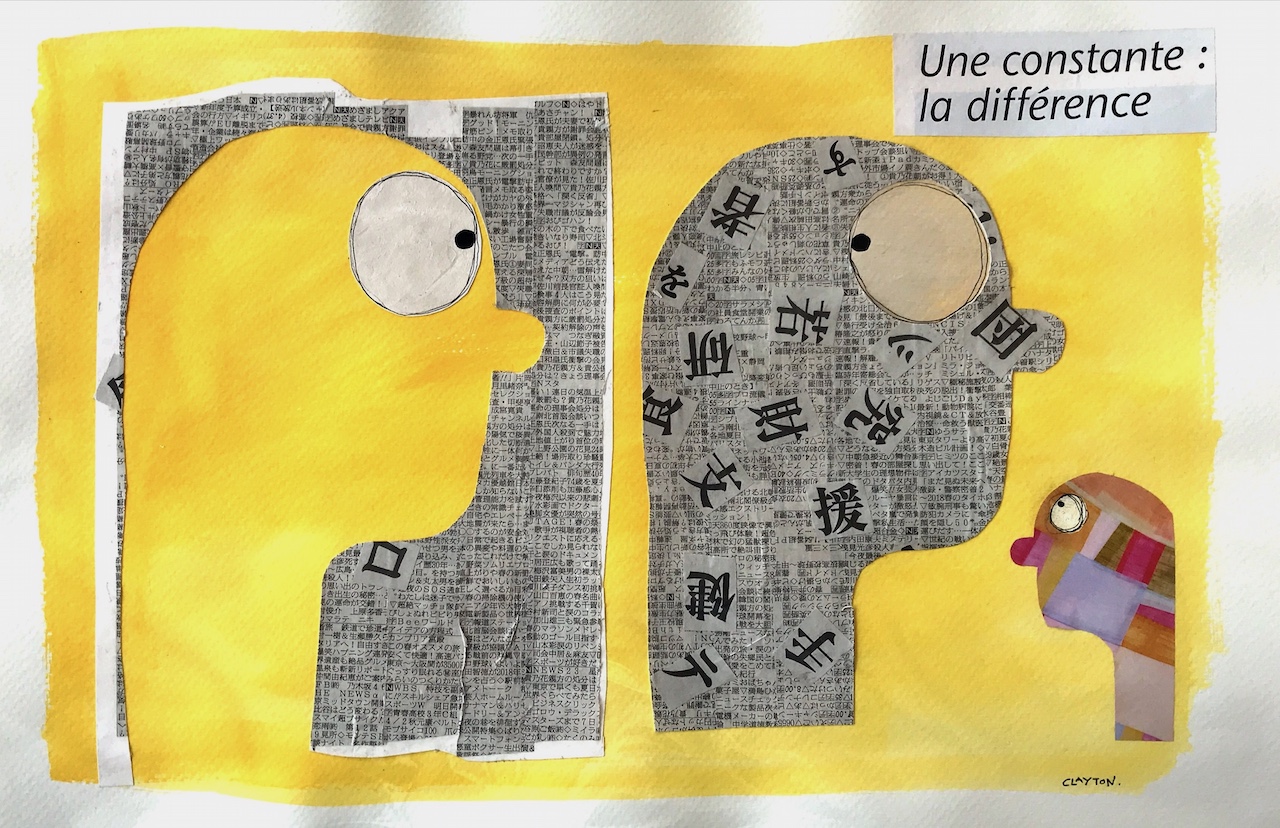
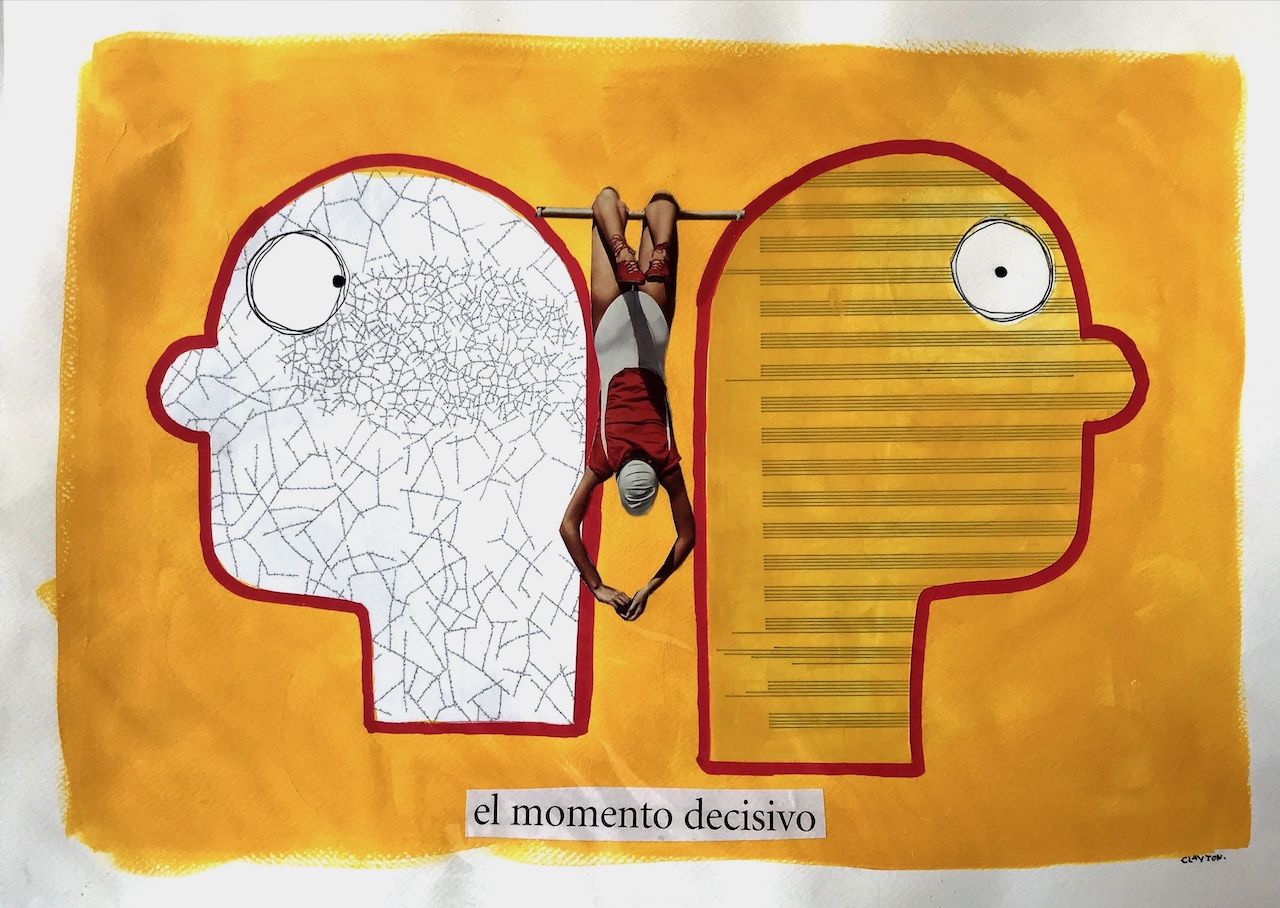
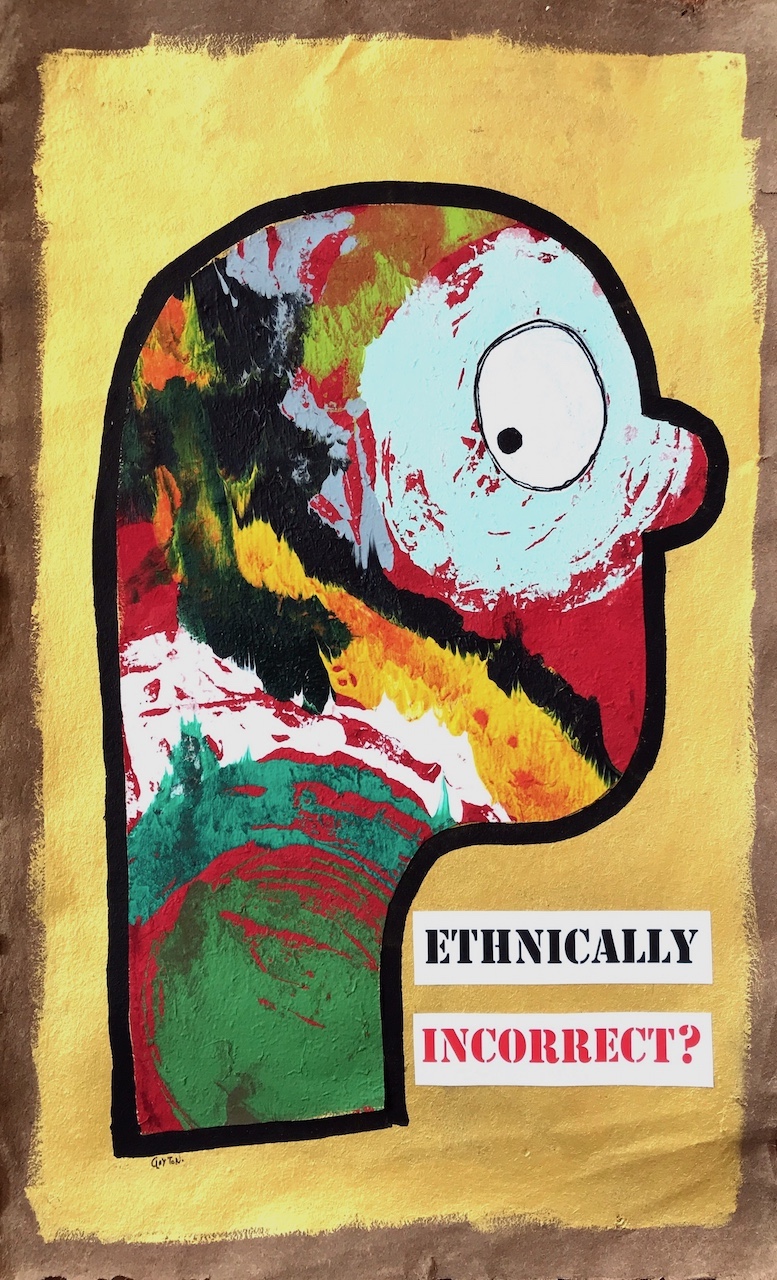
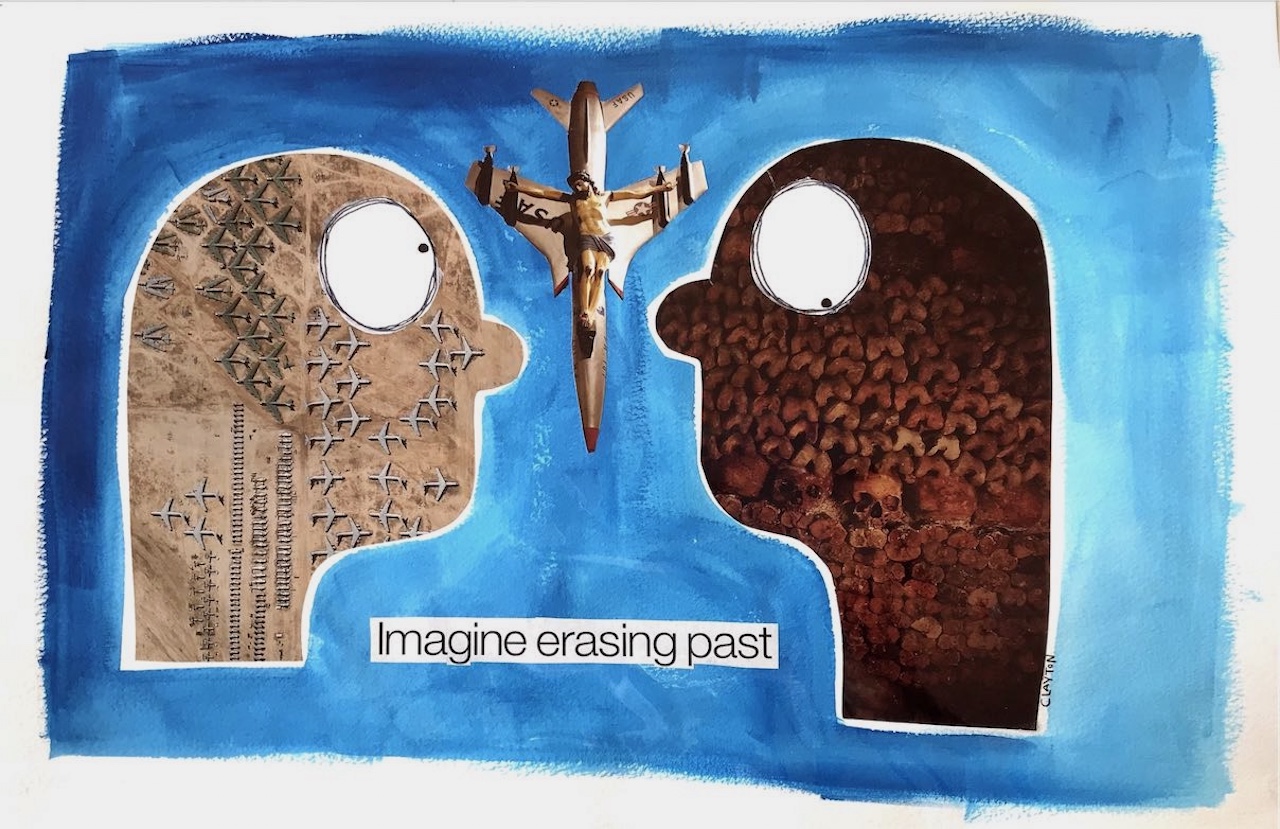
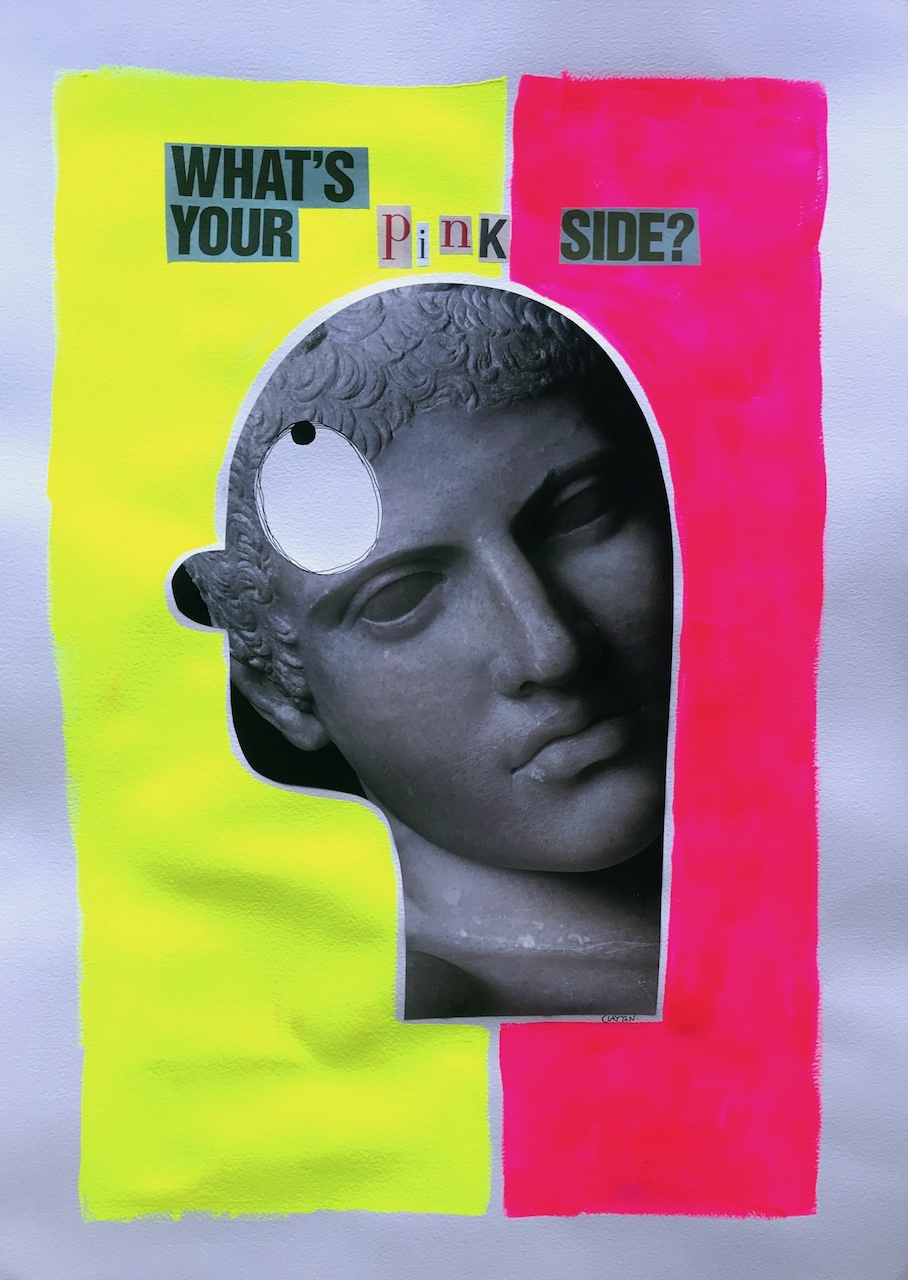
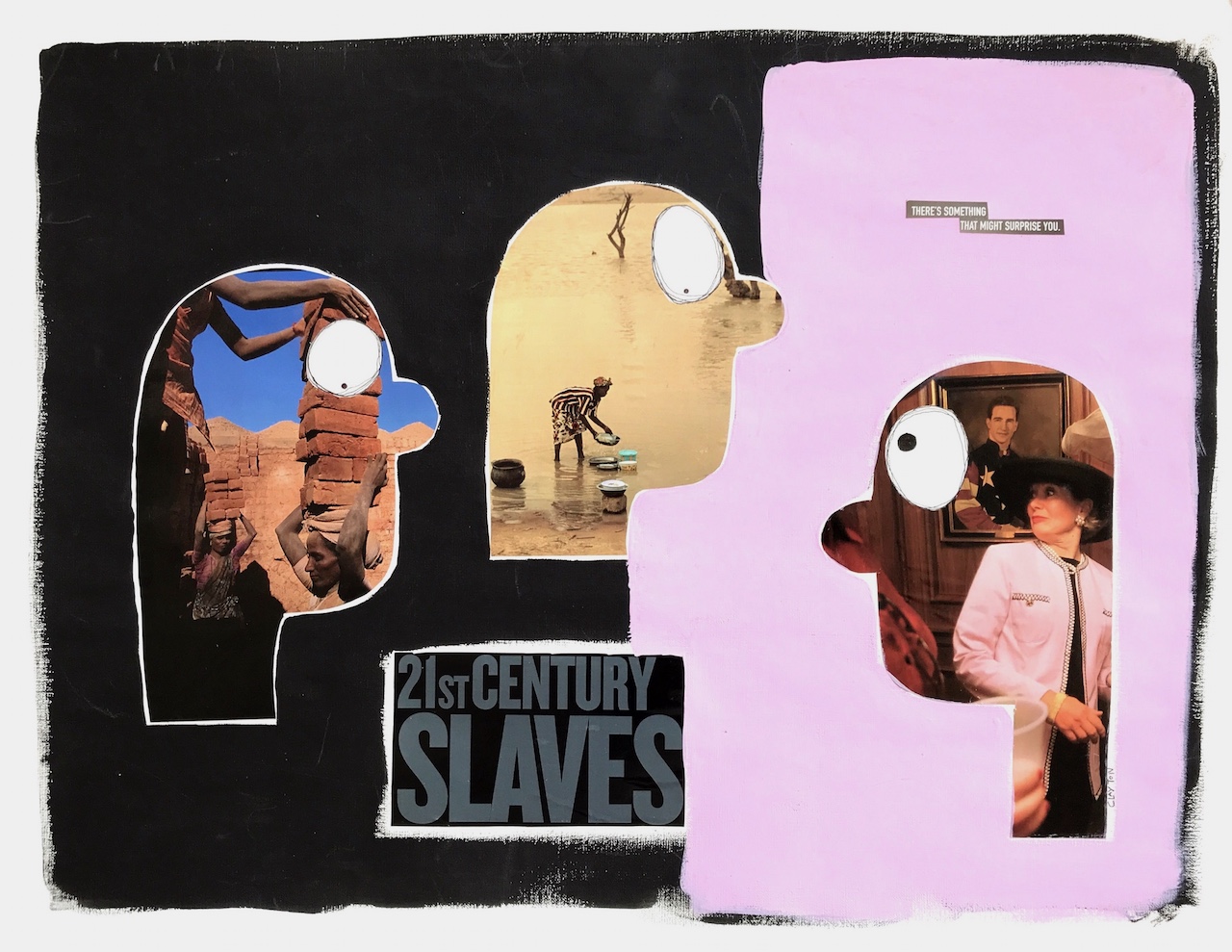
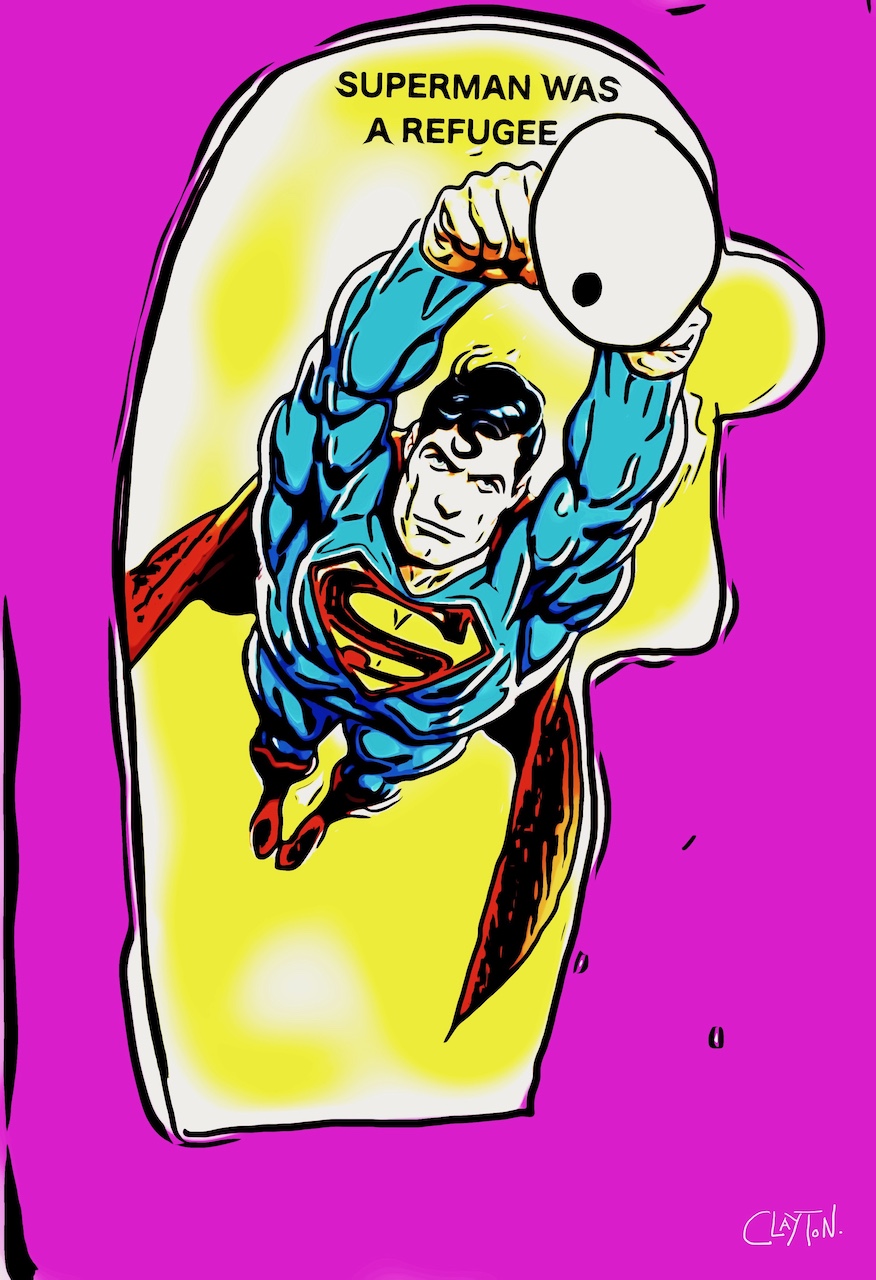
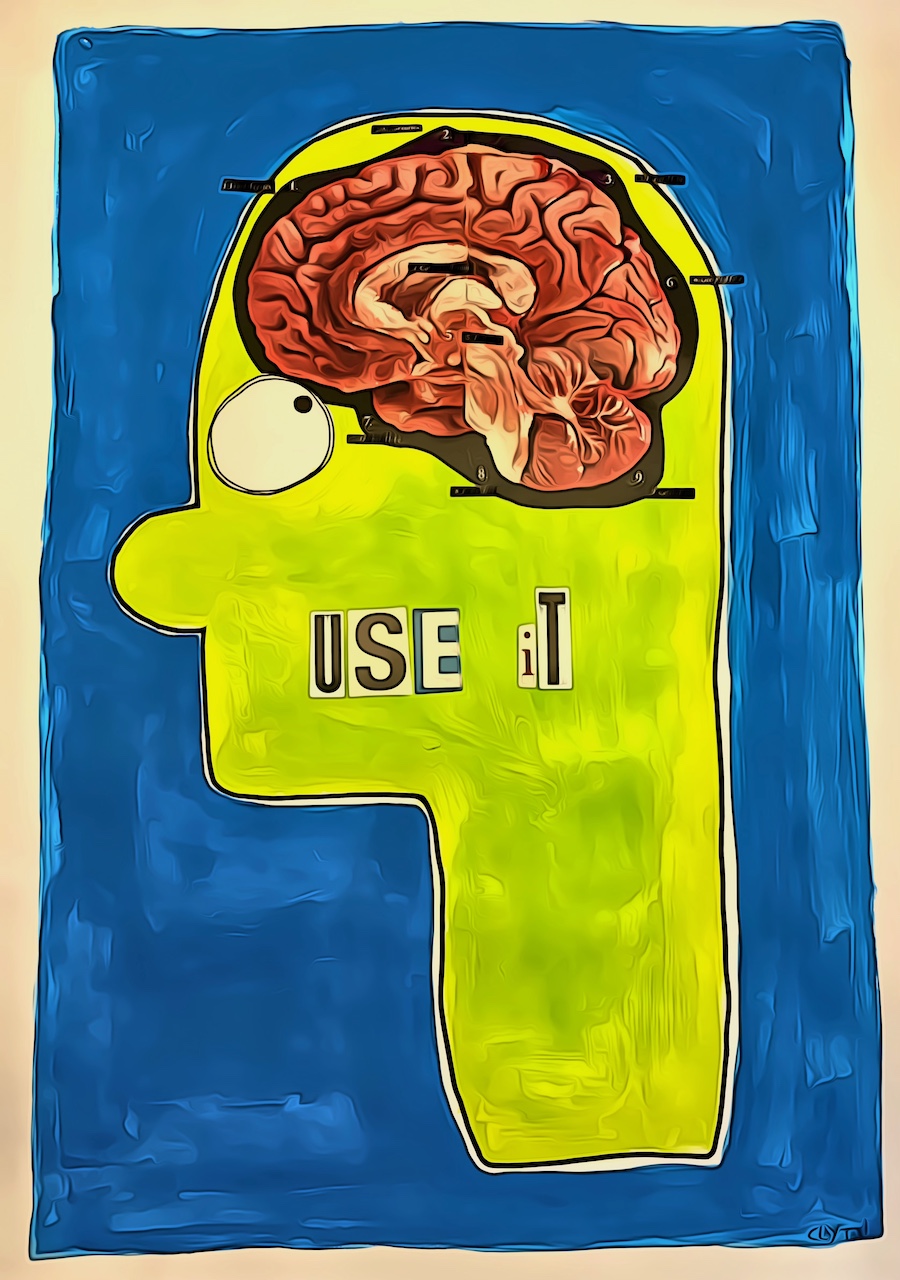
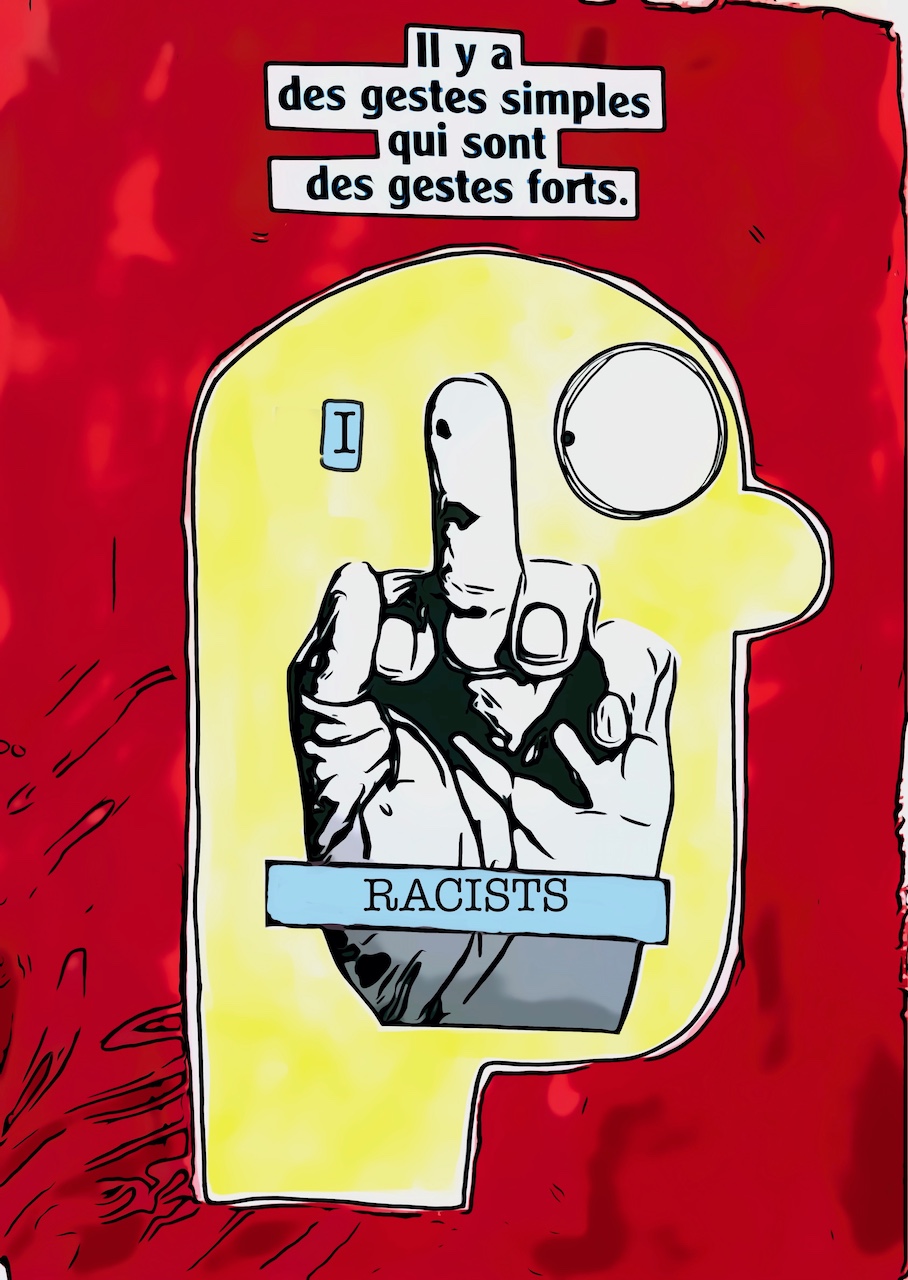
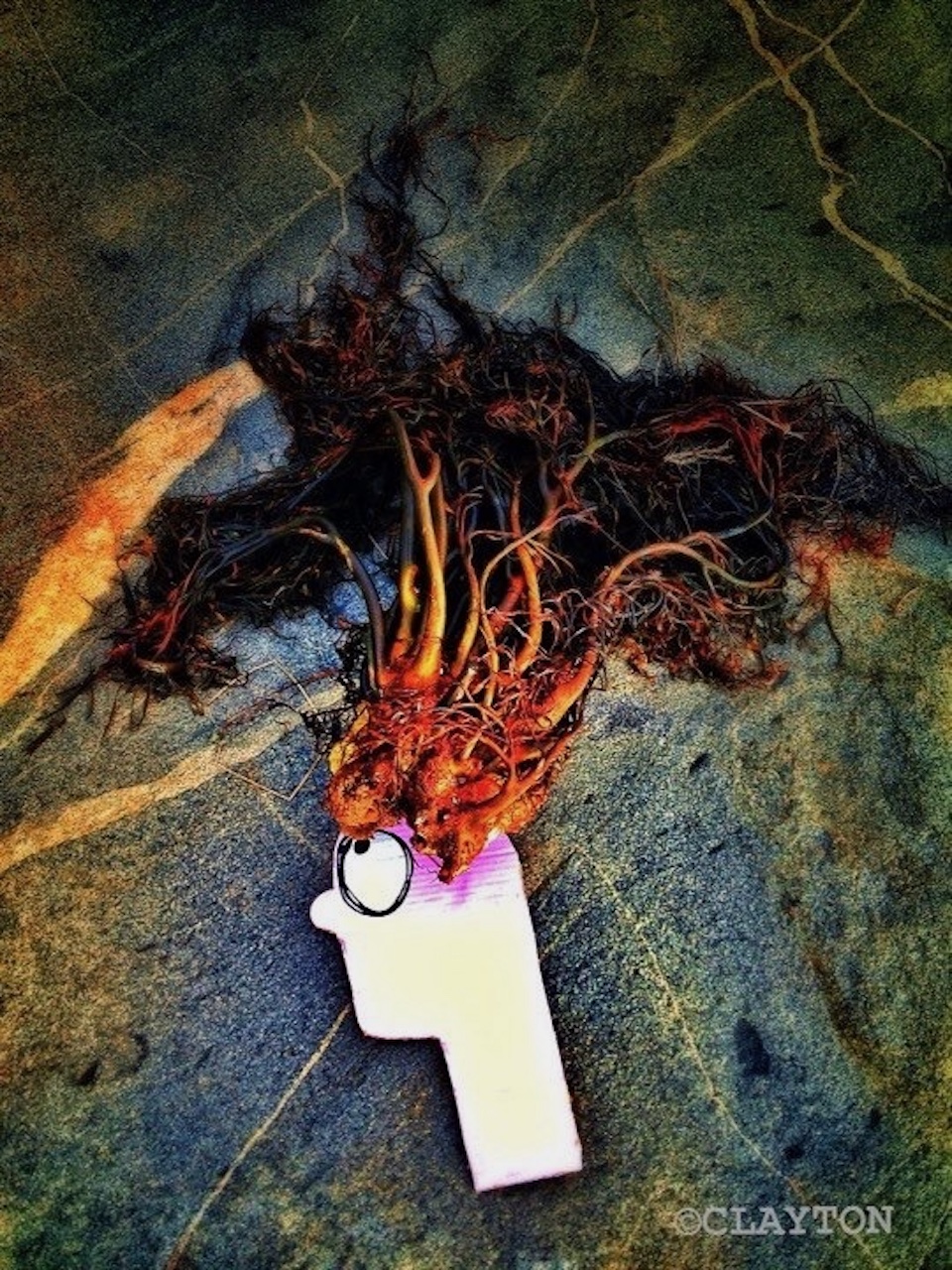
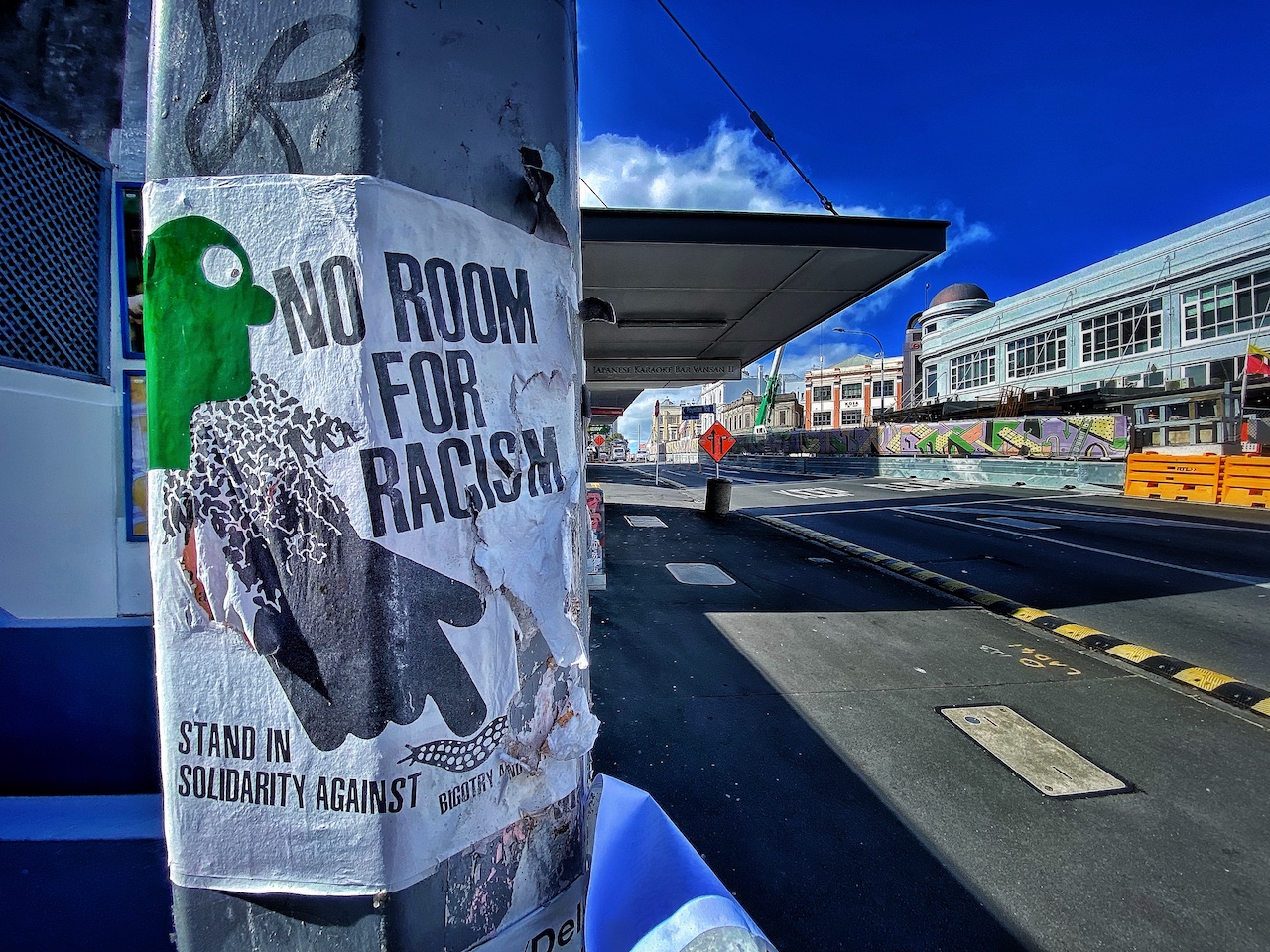
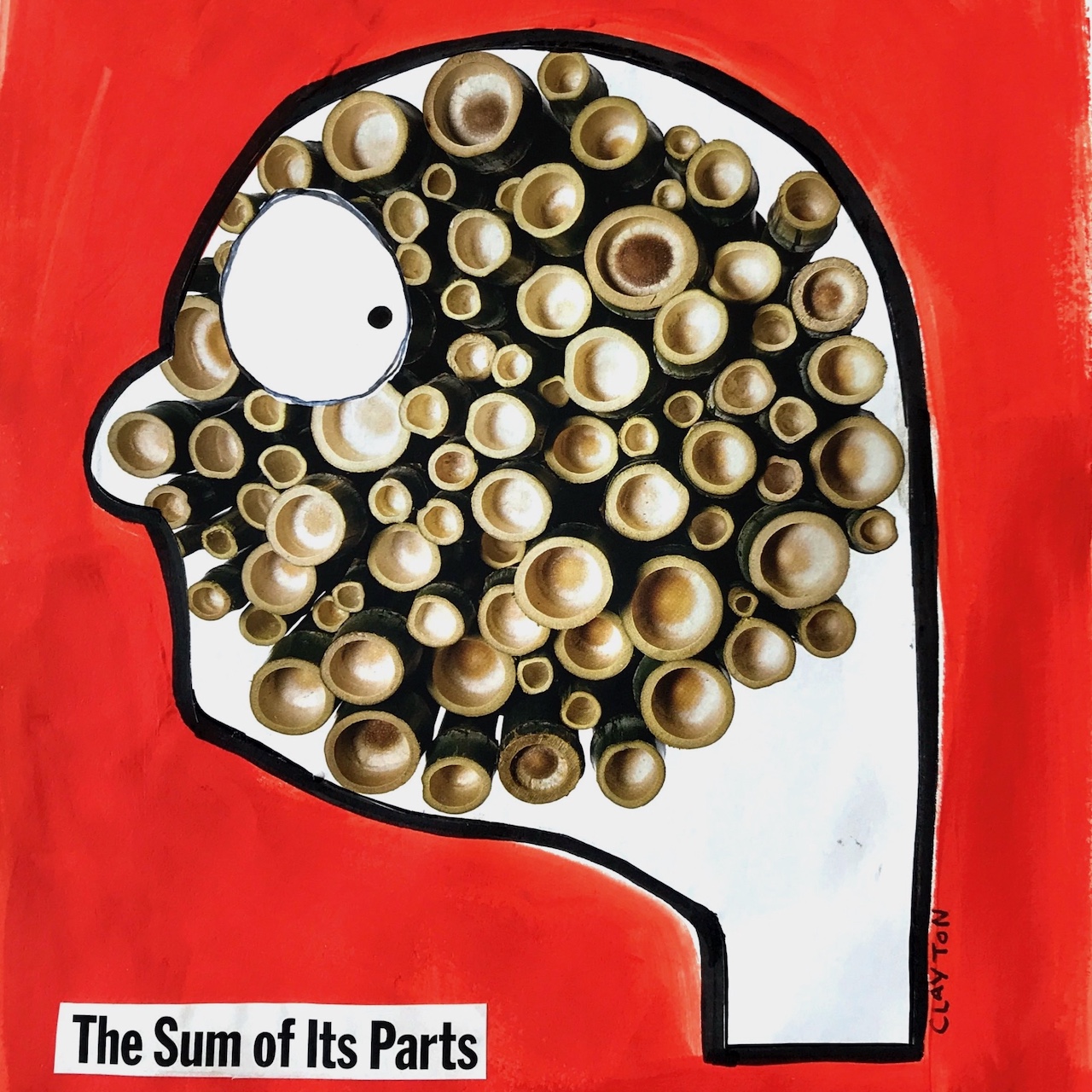
It is within this dynamic of reinvention that the Clayton Project takes shape. Just as the site itself was reimagined, the figure of Clayton invites us to rethink the world, to “pause and look differently.” The work arises from the awareness that every environment, every history, every face deserves to be observed with care — free from prejudice and beyond the automatisms imposed by our age. It calls on the viewer to open their eyes, to question what surrounds them, and to embrace the plurality of reality.
Clayton thus becomes a guide, leading us to see the everyday through multiple perspectives, to consider each detail and every voice as essential to understanding the world. The work becomes both mirror and window, avoiding ready-made answers in order to open a dialogue between art, knowledge, and human diversity. It upholds curiosity, kindness, and empathy as principles of progress, where once the space was dominated by discipline and force.
At the heart of this project lies a conviction: that knowledge, reflection, and a renewed gaze are engines of transformation — capable of rebuilding what violence, dogma, or conformity may have frozen. The story of Clayton is one of passage: from repression to openness, from control to solidarity, from imposed order to the freedom to express and to create. The Clayton Project embodies the continuity of this metamorphosis: it invites the viewer to pause, to grasp the complexity that surrounds them, and to participate in the construction of a more just, more conscious, more human world.
“UNE INVITATION À SUSPENDRE LE TEMPS ET À POSER UN AUTRE REGARD”
Clayton, jadis fort militaire au cœur de la zone du canal de Panama, symbolise une transition aussi profonde que nécessaire. Autrefois consacré à la défense, à la formation militaire et au contrôle du territoire, ce site incarnait la puissance, l’autorité et parfois la répression — scène où se jouaient les luttes géopolitiques d’un continent. Plus tard, le fort devint le siège de la “Ciudad del Saber” — la “Cité du Savoir” — marquant une transformation radicale : le passage d’un lieu de domination et d’autorité à un foyer de dialogue, de recherche et de solidarité internationale.
C’est dans cette dynamique de réinvention que prend forme le Projet Clayton . Tout comme le site s’est réinventé, la figure de Clayton invite à repenser le monde, à “faire une pause pour regarder autrement”. L’œuvre naît de la conscience que chaque environnement, chaque histoire, chaque visage mérite d’être observé avec attentio, libéré des préjugés et au-delà des automatismes imposés par notre époque. Elle appelle le spectateur à ouvrir les yeux, à interroger ce qui l’entoure et à accueillir la pluralité du réel
Clayton devient ainsi un guide, il nous entraîne à regarder le quotidien sous des angles multiples, à considérer chaque détail et chaque voix comme essentiels pour comprendre le monde. L’œuvre se fait à la fois miroir et fenêtre, évitant les réponses toutes faites pour ouvrir un dialogue entre l’art, le savoir et la diversité humaine. Elle érige la curiosité, la bienveillance et l’empathie en principes de progrès, là où autrefois régnaient discipline et force.
Au cœur de ce projet réside une conviction : la connaissance, la réflexion et un regard renouvelé sont des moteurs de transformation — capables de reconstruire ce que la violence, le dogme ou la conformité ont pu figer. L’histoire de Clayton est une histoire de passage : de la répression à l’ouverture, du contrôle à la solidarité, de l’ordre imposé à la liberté d’exprimer et de créer. Le Projet Claytonincarne la continuité de cette métamorphose : il invite chacun à s’arrêter, à saisir la complexité qui l’entoure, et à participer à la construction d’un monde plus juste, plus conscient, plus humain.




 GOMEZ ART WORLD